




Trump Weighs Letting Nvidia Sell H200 Chips to China: Navigating National Security and Market Opportunities
In a significant development in the ongoing technology rivalry between the United States and China, the Trump administration is considering allowing Nvidia, a leading American semiconductor company, to sell its advanced H200 AI chips to China. This move comes amid a complex balancing act between lucrative market opportunities and persistent national security concerns.
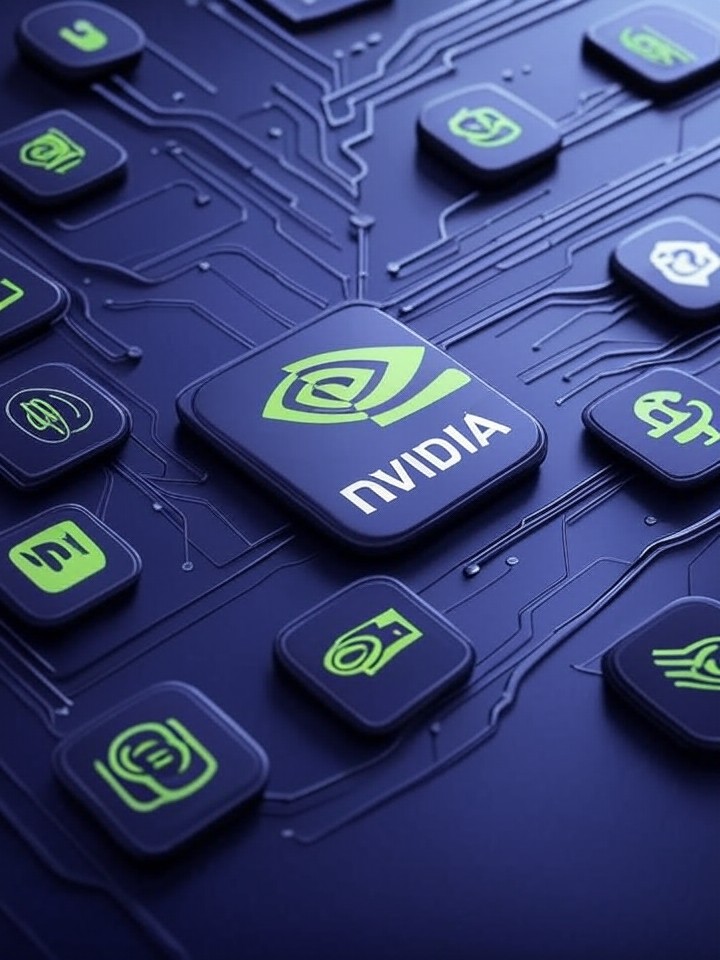
Understanding the Nvidia H200 AI Chip
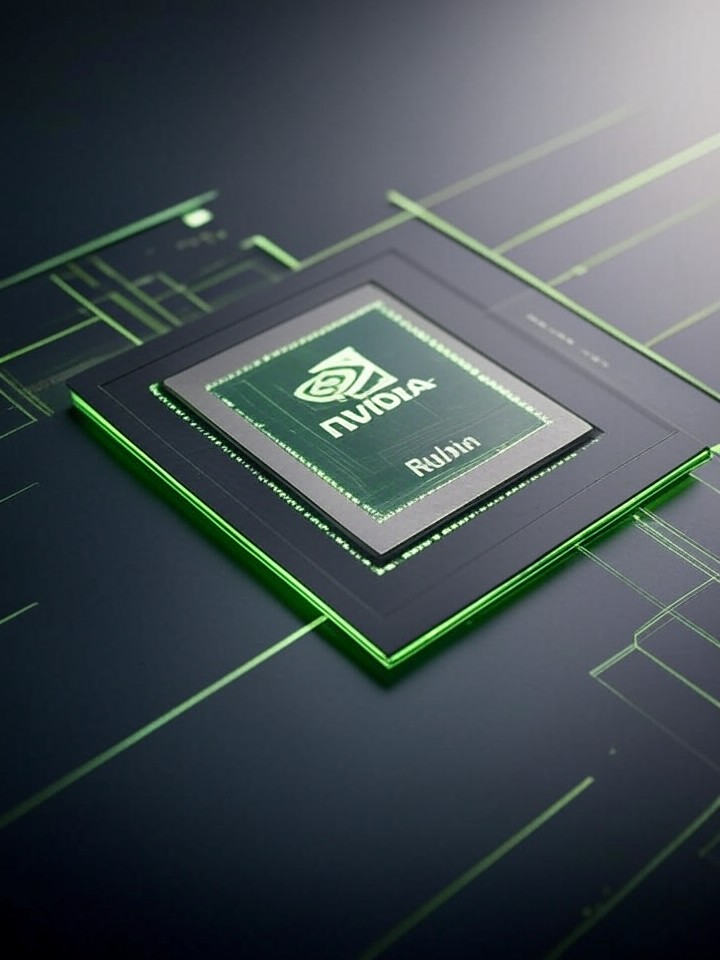
The Nvidia H200 represents the forefront of AI hardware technology. As the successor to the widely acclaimed H100 GPU, the H200 boasts impressive advancements designed to supercharge generative AI and high-performance computing (HPC) workloads. Key technical specifications include:
- Memory Capacity: 141 GB of cutting-edge HBM3e memory, a 76% increase over the 80 GB in the H100 model, enabling the handling of massive AI models such as large language models (LLMs) without extensive parallelization.
- Memory Bandwidth: A substantial 4.8 TB/s bandwidth, 60% higher than the H100, dramatically reducing bottlenecks in processing long-context data (exceeding 32,000 tokens).
- Performance: Provides up to 3.96 petaFLOPS FP8 Tensor Core compute power, delivering nearly twice the inference speed on models like Meta’s LLaMA 70B compared to its predecessor.
- Variants: Available in SXM (700W power draw) and NVL (600W, air-cooled for enterprise racks) versions, optimized for different infrastructure setups.
Why the H200 Matters
With the AI revolution driving rapid growth in data-centric applications, the H200 chip is a game changer for enterprises requiring powerful AI training and inference capabilities. It allows data centers to run large models faster and more efficiently, which translates into significant leaps in AI development and deployment speed across industries.
The Strategic Dilemma: Market Access vs. National Security
The United States government faces a challenging decision. On one hand, China represents a massive and rapidly growing semiconductor market, potentially worth tens of billions of dollars for Nvidia. Allowing sales of H200 chips could provide substantial economic benefits and keep Nvidia globally competitive.
On the other hand, advanced AI chips like the H200 raise national security alarms. The chips’ formidable processing capabilities could be leveraged by China to enhance its military AI applications, potentially shifting the strategic balance. Consequently, export controls currently restrict the sale of high-performance AI chips to China.
Trump Administration’s Consideration
Reports indicate that the Trump administration is weighing a policy shift that could permit exports of H200 chips to China, albeit with significant safeguards and tariffs. This move aims to strike a compromise: keeping the technology market open enough to benefit American companies while attempting to mitigate security risks through regulations.
China’s Reaction and Strategy
Despite the potential approval, Chinese entities have shown hesitancy or outright rejection of the H200 chips. According to White House AI officials, China favors accelerating its own domestic semiconductor programs. Supported by billions in government incentives, China is pushing for technology self-sufficiency, limiting its reliance on foreign chip imports.
Broader Implications for the Global AI Chip Market
The decision over H200 exports is emblematic of the broader U.S.-China technology competition, which is as much about economics as it is about geopolitical power. Key implications include:
- For Nvidia: If permitted, Nvidia could unlock a lucrative market segment, potentially recovering billions in revenue lost due to previous export bans. It would also enhance the company’s position as a global AI innovation leader.
- For China: Access to advanced AI chips like the H200 could accelerate Chinese AI advancements, but current domestic push and security concerns limit its uptake, showing a strategic prioritization of self-reliance.
- For Global Technology Balance: This situation represents a pivotal point in the global semiconductor supply chain, demonstrating how technology, trade, and national security intersect in international relations.
Conclusion: Navigating an Uncertain Future
The Trump administration’s deliberations on allowing Nvidia to sell H200 AI chips to China underscore the tightrope walked by policymakers amidst intensifying U.S.-China tensions. While the economic incentives to open the Chinese market to American AI hardware are evident, the overriding security concerns demand caution.
Ultimately, this decision will influence the trajectory of AI development and the global semiconductor landscape for years to come. Stakeholders from government, industry, and academia will be watching closely as the balance between competitive advantage and security is negotiated.
For readers interested in the evolving story of AI hardware, semiconductor policy, and global tech rivalry, staying informed through reliable tech news and policy analysis remains crucial as these developments unfold.