




ChatGPT Launches App Store, Opening New Opportunities for AI Developers
OpenAI has made a major move by launching the much-anticipated ChatGPT App Store, a dedicated marketplace that lets developers build, publish, and monetize their own AI-driven applications. This new development represents a significant step in opening the ChatGPT ecosystem to the wider developer community, allowing businesses and individuals to integrate customized AI solutions directly into their workflows.
The ChatGPT App Store offers a powerful new way to bring artificial intelligence innovations to end users. By blending accessibility with creativity, the store allows third-party developers to contribute apps, tools, and services that can enhance productivity, content creation, customer interaction, and many other use cases.
What is the ChatGPT App Store?
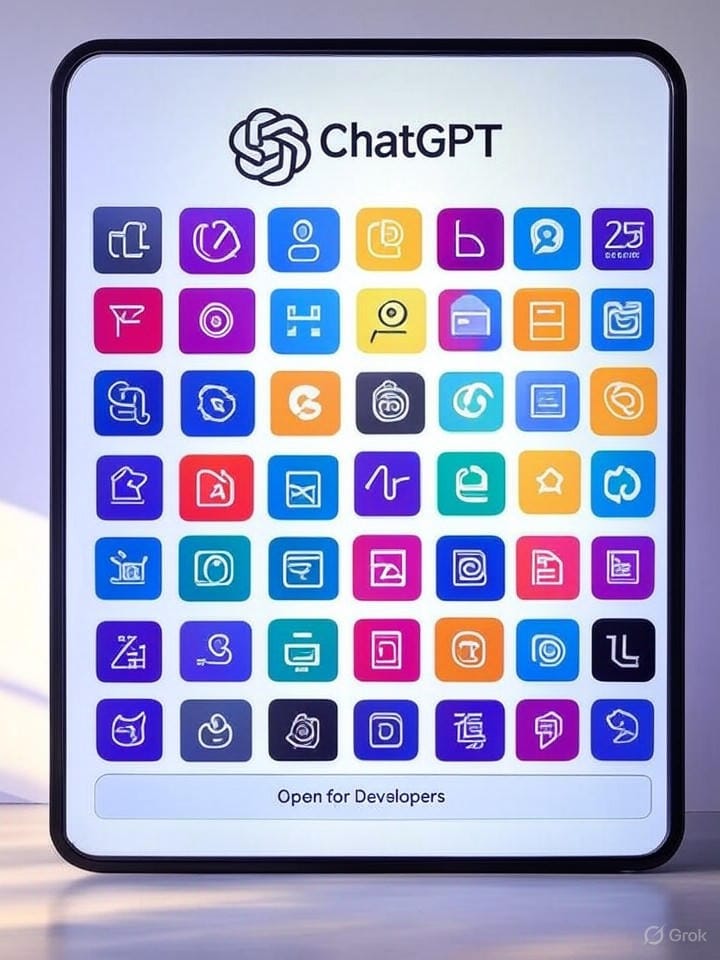
The ChatGPT App Store functions as a curated platform where users can browse, test, and deploy GPT-based applications. Each app is built using OpenAI’s model capabilities, allowing developers to tailor the ChatGPT experience for specific industries or personal needs. Whether for marketing automation, educational tools, customer service bots, or creative writing assistants, the store enables a wide range of AI-driven utilities.
Users can search and install these GPT apps seamlessly within the ChatGPT interface. The customization options empower professionals to address niche requirements without building AI tools from scratch, thus significantly reducing development time and cost.
Why the Launch Matters for Developers
For developers, OpenAI’s latest update means more than just a new marketplace—it’s an open invitation to innovate. By providing APIs, documentation, and a publishing pipeline, OpenAI is positioning ChatGPT as a central hub for AI commerce. Developers can now not only use ChatGPT for research or content generation but also become active contributors to its evolving ecosystem.
The platform encourages developers to create specialized GPTs that integrate with business processes. This approach fosters entrepreneurship within the AI industry, enabling innovators to reach millions of ChatGPT users globally.
Monetization and Exposure Opportunities
Through the ChatGPT App Store, developers can earn revenue from their applications. The store’s model is inspired by traditional app marketplaces—developers receive compensation for their creations based on engagement metrics or direct purchases. Moreover, apps that achieve high ratings and popularity gain visibility through featured listings, offering additional brand exposure.
This monetization framework is a breakthrough for AI professionals and startups looking to establish themselves in the OpenAI ecosystem. By lowering entry barriers and offering fair revenue options, OpenAI makes it easier for independent developers to sustain their projects financially.
How Users Benefit from ChatGPT Apps
The ChatGPT App Store isn’t just designed for developers—users stand to gain significantly as well. Businesses can enhance efficiency and automation, while individuals get access to personalized AI assistants designed for specific tasks. For example, a marketing agency could install an app for keyword research and ad copy optimization, while a teacher might use a tutoring GPT to assist students with essays or complex concepts.
Many apps are designed with ready-to-use functionalities. This reduces the need for technical knowledge and helps organizations explore AI adoption without requiring extensive machine learning expertise. The result is a more inclusive AI ecosystem.
Customization for Every Use Case
One of the defining features of the ChatGPT App Store is the ability to customize AI behaviors easily. Developers can design GPTs tailored to a particular language, tone, or function. Users have the flexibility to configure these GPTs for unique workflows, making the ChatGPT environment more adaptable than ever.
For instance, content creators can deploy GPTs focused on SEO optimization, writers can access brainstorming assistants, and businesses can leverage AI-powered data analysis tools tailored to their products. This flexibility ensures the platform remains relevant to diverse industries ranging from healthcare and education to entertainment and finance.
Integration with Existing Tools and Platforms
OpenAI has also emphasized integration in its latest update. The new app store makes it possible to connect ChatGPT apps with productivity tools like Slack, Notion, and Google Workspace, extending AI functionality into everyday business operations. Seamless integrations ensure data flow between systems remains efficient while improving collaboration among teams.
Developers can use OpenAI’s APIs to extend their apps or connect with third-party services. This interconnected ecosystem allows organizations to centralize their operations using ChatGPT as a core automation and intelligence platform.
Strengthening the Developer Ecosystem
OpenAI’s motivation behind launching the ChatGPT App Store is rooted in community building. By introducing an open marketplace, the company encourages continuous innovation through collaboration. Developers can now share ideas, fork projects, and get inspired by others’ models—accelerating advancements across AI applications.
The store’s launch also includes opportunities for feedback and iteration. Developers can improve their GPTs based on real user responses and analytics, maximizing both performance and user satisfaction. This feedback loop nurtures quality enhancement and sets a consistent standard for AI app development.
Data Security and Ethical Framework
As with any AI platform expansion, OpenAI is placing strong emphasis on security and compliance. The ChatGPT App Store operates within OpenAI’s robust safety framework to ensure that GPT apps adhere to data protection regulations and ethical guidelines. User privacy, content moderation, and responsible AI use remain top priorities.
Each submitted app undergoes a review process that checks for compliance with OpenAI policies. This verification mechanism prevents misuse of the technology and builds user trust in the platform.
Competition in the AI App Market
The launch of the ChatGPT App Store positions OpenAI in direct competition with other AI ecosystems such as Anthropic’s Claude integrations, Google’s Gemini extensions, and Microsoft’s Copilot plugins. However, OpenAI’s advantage lies in the large existing ChatGPT user base, which offers immediate exposure for newly launched apps. With personalized GPTs already gaining popularity among creators, the new store empowers OpenAI to consolidate its leadership in the conversational AI market.
Industry observers predict that the ChatGPT App Store may evolve into a thriving digital marketplace similar to Apple’s App Store or Google Play, but exclusively focused on AI. This evolution could dramatically change how software developers and businesses engage with artificial intelligence in daily operations.
Conclusion: A New Era for Conversational AI Innovation
The launch of the ChatGPT App Store marks a defining moment for both OpenAI and the broader AI community. By providing developers with an open marketplace, OpenAI is transforming ChatGPT from a powerful conversational tool into a full-fledged innovation platform. Users can now access an expanding library of custom GPTs while developers gain new ways to showcase and monetize their AI expertise.
As adoption accelerates, the ChatGPT App Store is expected to become a cornerstone of digital transformation, offering tailored, intelligent solutions for businesses and individuals alike. In essence, OpenAI has signaled that the future of AI is not just about smarter chatbots but about empowering a global ecosystem of creative, secure, and collaborative AI applications.