




Elon Musk’s Colossus Data Center Expansion: How xAI Is Building a 2-Gigawatt AI Powerhouse
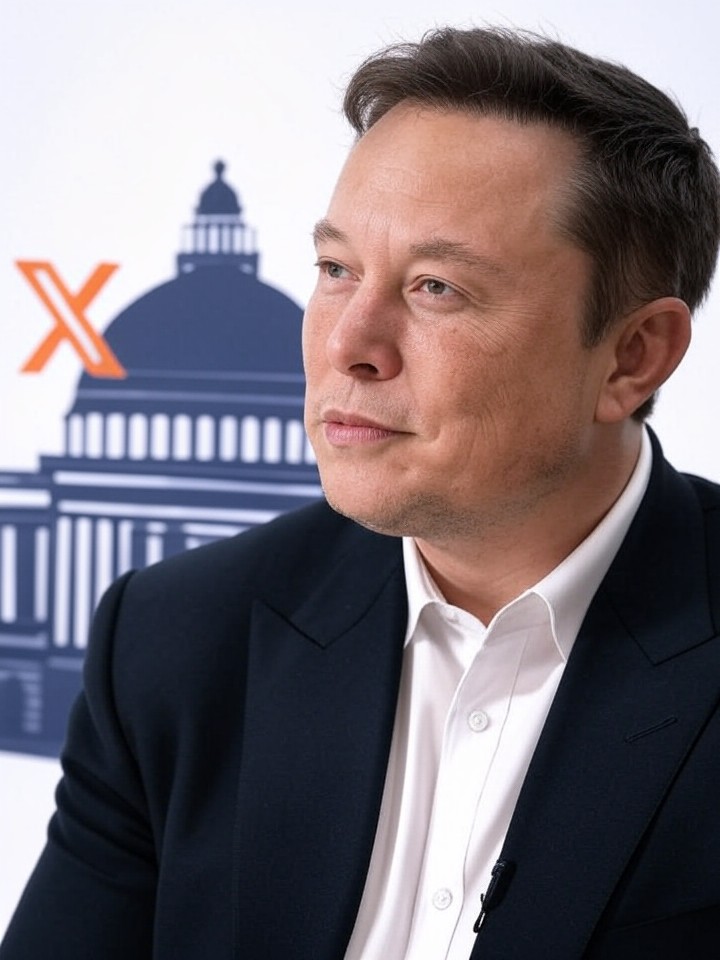
Elon Musk is once again reshaping the boundaries of technology. This time, his focus is on building one of the most ambitious artificial intelligence infrastructures ever conceived — the Colossus data center. Designed to scale up to a staggering 2 gigawatts of power capacity, Colossus is poised to become a cornerstone in the evolving AI ecosystem, redefining what’s possible for high-performance computing, data management, and advanced neural network training.
The Vision Behind the Colossus Data Center
Musk’s xAI initiative aims to create an AI model capable of understanding and interacting with the world at a human level. To achieve that, the company needs immense computing power — something that traditional data centers simply can’t provide. The Colossus project represents Musk’s push to secure a technological advantage, enabling the training of large-scale AI models that could compete with or surpass offerings from OpenAI, Google DeepMind, and Anthropic.
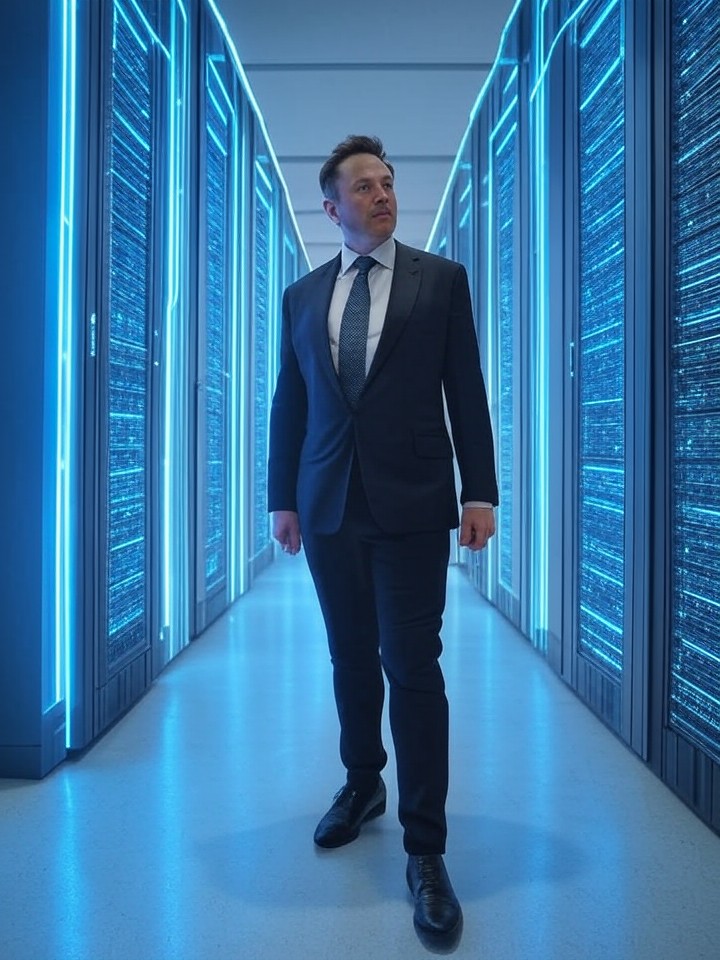
According to industry insiders, the Colossus facility — strategically located to capitalize on energy and connectivity infrastructure — will integrate cutting-edge cooling systems, custom chipsets, and sustainable energy sources to support its growing computational demands. The estimated capacity of 2 gigawatts, roughly equivalent to the power consumption of a mid-sized city, highlights just how massive this endeavor truly is.
Why 2 Gigawatts Matters: Powering the Future of AI
The figure of 2 gigawatts might sound abstract, but in the world of AI, it’s monumental. As language models and generative AI systems become more complex, they require exponentially more computing resources to operate effectively. The Colossus data center aims to deliver that power density, allowing xAI to process vast data sets faster, train larger models, and experiment with architectures that were previously limited by resource constraints.
To put this into perspective, Microsoft and Google both invest heavily in AI-oriented data center expansion, but few projects have approached the kind of dedicated power scaling Musk envisions. The result could be a facility capable of running the next generation of foundation models — outpacing competitors in speed, efficiency, and creative problem-solving potential.
Challenges in Building a Hyperscale AI Infrastructure
Scaling Colossus to a 2-gigawatt capacity is not just a technical feat; it’s an engineering and logistical challenge that demands innovation at every level. There are three main hurdles Musk’s xAI team faces:
- Energy Supply and Sustainability: Securing a reliable and renewable energy supply is critical. Musk’s history with Tesla’s energy products and solar technology could provide valuable synergy here. Colossus is expected to integrate solar and possibly geothermal sources to reduce carbon footprint while maintaining performance.
- Cooling and Thermal Management: The sheer density of GPUs and high-speed processors planned for Colossus demands an advanced cooling infrastructure. Experts predict a blend of liquid and immersion cooling systems designed to reduce energy waste and optimize uptime.
- Cost and Scalability: The capital investment for a 2-gigawatt facility is enormous, potentially reaching tens of billions of dollars. However, Musk’s track record shows a pattern of reinvestment across his business empire — leveraging Tesla technology, SpaceX logistics, and even Neuralink’s data expertise to offset costs and drive integration.
Positioning Within the Global AI Arms Race
Elon Musk’s pursuit of Colossus comes at a pivotal time in global AI competition. Governments and corporations alike are racing to secure AI dominance across industries ranging from healthcare to defense. With players such as OpenAI, Amazon, and Nvidia scaling aggressively, building a 2-gigawatt data center is a strategic move that could elevate xAI into the league of the world’s most powerful AI infrastructure partners.
Analysts suggest that Colossus could become a central training hub for Musk’s AI projects across multiple domains. The data center might power future iterations of X (formerly Twitter), enhance Tesla’s autonomous driving systems, or support AI integrations within SpaceX operations such as real-time telemetry and mission control analytics.
Integration With Musk’s Technology Ecosystem
Synergy With Tesla and SpaceX
Tesla’s advances in custom computing hardware and energy solutions could play a crucial role in ensuring Colossus operates efficiently. Leveraging Tesla’s Dojo supercomputer architecture, Colossus could adopt a modular GPU and processor system tailored to large-scale AI model training. Likewise, SpaceX’s Starlink satellite network could help ensure resilient, low-latency global connectivity for data transfer and remote AI operations.
Using Renewable Energy for AI Efficiency
Given Musk’s advocacy for sustainable energy, Colossus is likely to set new benchmarks for eco-friendly AI infrastructure. Incorporating solar farms, battery storage, and advanced grid management tools could significantly reduce operational costs while aligning with global carbon reduction goals. This approach also positions Colossus as a model for sustainable high-power data centers, addressing growing environmental concerns over the carbon intensity of machine learning operations.
The Broader Implications for AI Development
As Colossus nears completion, the broader tech community is keeping a close watch. The project symbolizes the convergence of AI ambition, engineering innovation, and environmental consciousness. The ability to sustain near-limitless AI computations could have transformative effects on industries like healthcare (through predictive algorithms), finance (via risk modeling), and autonomous robotics.
However, the centralization of such immense computational capacity raises ethical and strategic considerations. As AI systems gain more autonomy and influence, so too do questions about governance, transparency, and equitable access. Musk himself has previously voiced concerns about unchecked AI development — yet Colossus may embody both the solution and the challenge: developing powerful AI responsibly while maintaining a competitive edge.
The Future Outlook: A New Benchmark in AI Infrastructure
If completed as envisioned, Colossus will be among the most powerful data centers ever built. It could dramatically accelerate Musk’s AI ventures and reshape the commercial AI landscape. Beyond xAI’s own models, the facility may serve as a backbone for collaboration with other research institutions or even government-backed AI initiatives interested in leveraging such unprecedented computational power.
Furthermore, Colossus could usher in new standards for how large-scale AI infrastructure is designed. Other companies may need to follow suit — adopting renewable energy models, developing specialized chipsets, and investing in smarter cooling technologies — to remain competitive in this new era of AI-driven innovation.
Conclusion: Colossus and the Next Frontier of Artificial Intelligence
Elon Musk’s expansion of the Colossus data center is more than a technological milestone; it represents a shift in the global AI paradigm. By targeting 2 gigawatts of dedicated capacity, Musk is effectively laying the groundwork for an AI future with virtually limitless potential. The initiative underscores his broader goal — to create a sustainable, interconnected, and highly advanced AI infrastructure capable of powering the next wave of intelligent systems.
As the AI arms race intensifies, Colossus won’t just be a data center — it will stand as a symbol of the convergence between innovation, sustainability, and ambition. In this way, Musk’s vision continues to set the pace for how humanity approaches the nexus of artificial intelligence and technological progress.