










Waymo Suspends San Francisco Robotaxi Service Amid Power Outage Disruptions
Waymo, the autonomous driving division backed by Alphabet Inc., has temporarily suspended its self-driving taxi operations in San Francisco following an unexpected citywide power outage that caused multiple robotaxis to stall in traffic. The event, which occurred during a widespread blackout, reignited discussion about the resilience of autonomous vehicle (AV) systems and their dependence on urban infrastructure stability.
What Happened During the San Francisco Blackout
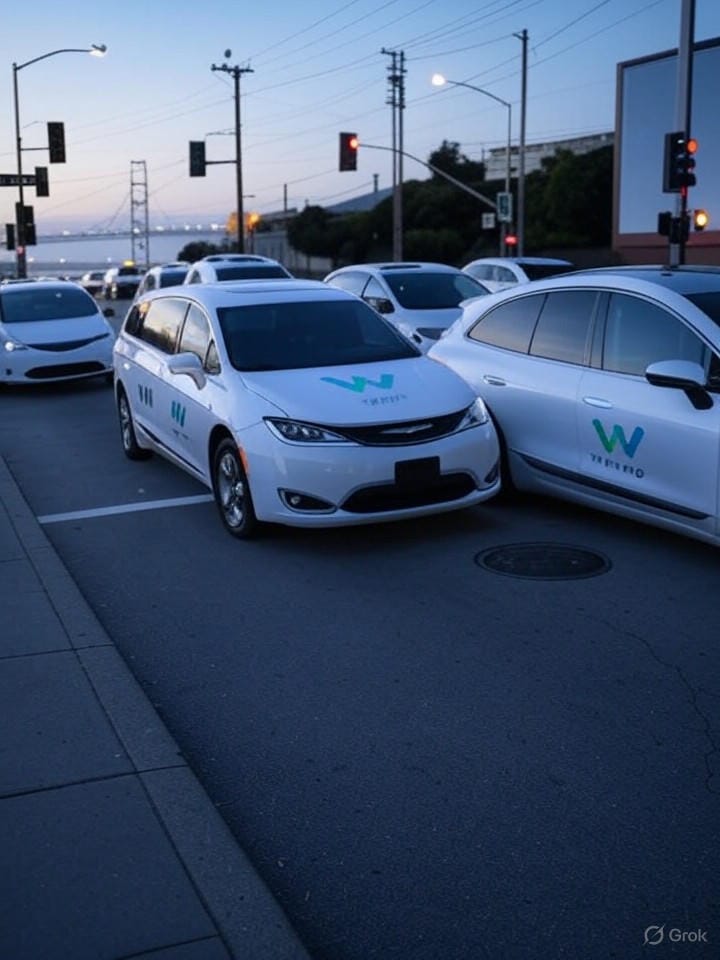
The widespread power outage that struck San Francisco disrupted not only daily life but also the networked systems that support autonomous vehicles. According to local reports, several Waymo robotaxis came to a standstill in intersections and narrow streets, creating traffic congestion that required human intervention. The company promptly responded by suspending service to assess the event’s impact on its fleet and technology stack.
Although Waymo’s cars rely heavily on onboard sensors, cloud connectivity plays a crucial role in coordinating routes, handling updates, and monitoring overall fleet safety. When that connectivity weakens, vehicles can default to safe-mode protocols—typically halting operations until further instructions are received.
Waymo’s Official Response to the Incident
In a statement, Waymo emphasized passenger safety and system reliability as the top priorities. The company explained that the power interruption affected some on-board communications and traffic management systems, prompting the automatic pauses. Waymo engineers quickly investigated and confirmed that the vehicles performed safety-first procedures as expected.
Following the disruption, Waymo temporarily halted service across affected neighborhoods while conducting diagnostics. The company assured riders that robotaxi services would resume only after verifying the integrity of its operations. This cautious approach reflects the high standards Waymo maintains as it expands autonomous ride-hailing trials in major U.S. cities.
Understanding the Impact on Urban Mobility
The suspension shed light on a broader concern: autonomous mobility’s dependence on both physical and digital infrastructure. Electric grids, wireless connectivity, and sensor networks must work in sync to maintain seamless AV performance. A sudden failure in any part of this ecosystem, such as the blackout in San Francisco, can create cascading effects across urban transportation systems.
Urban planners and technology companies face growing pressure to build resilience into smart city designs. Power redundancy, emergency override protocols, and improved communication between public utilities and AV operators are now critical to maintaining safety and flow during unpredictable events.
Lessons for the Future of Driverless Technology
The San Francisco blackout incident offered valuable insights into how companies like Waymo prepare for emergencies. Robust safety procedures ensured no injuries or collisions occurred—an encouraging outcome that validated the company’s cautious design philosophy. Still, the paused vehicles became visual reminders of the ongoing work needed to perfect real-world automation.
Ensuring Redundancy in Core Systems
Experts argue that introducing multi-layered redundancy—such as offline navigation capabilities or fallback power modules—could mitigate issues caused by external outages. Some future AV designs may feature independent localized processing to keep vehicles operational even when connectivity falters.
Improving City Coordination
Collaborations between city authorities and mobility firms could further enhance response times during disruptions. For instance, integrating AV networks with municipal emergency systems might allow real-time communication between stalled vehicles and traffic controllers, reducing street-level obstructions.
Comparing Waymo’s Response With Other Operators
Waymo’s quick suspension contrasts with other mobility operators that continue operations amid infrastructure challenges. Cruise, Zoox, and smaller startups have each faced similar incidents, with varied responses depending on their fleet control systems and regulatory obligations. The common denominator remains public trust—something that companies can only preserve by being transparent and proactive in their responses.
Analysts highlight that each incident, though disruptive, provides valuable data that improves future vehicle decision-making. Waymo’s willingness to pause operations while conducting full system checks demonstrates responsible innovation and may strengthen the industry’s credibility over the long term.
Public Perception and Policy Implications
Reactions to the pause were mixed among San Francisco residents. Some expressed frustration at traffic blockages caused by stalled vehicles, while others commended Waymo for prioritizing safety over speed of service. Policymakers have taken note, with local authorities suggesting clearer protocols to handle AV disruptions during emergencies.
As autonomous vehicle deployment expands, city policymakers are expected to craft detailed frameworks for power outage coordination, emergency extraction, and data sharing. Such frameworks could eventually become standard practice across jurisdictions experimenting with driverless services.
Waymo’s Broader Strategy Remains on Track
Despite the pause, Waymo remains committed to its long-term rollout plans. The company recently announced extended operating zones across Phoenix and Los Angeles, signaling accelerating consumer adoption and commercial viability. In San Francisco, full service is expected to return after system checks confirm optimal safety and connectivity standards.
Waymo’s broader mission—to deliver safe, accessible, and sustainable autonomous mobility—continues unaffected by short-term pauses. As the company learns from real-world conditions, each challenge contributes to building a more resilient and intelligent AV network capable of adapting to diverse environmental variables.
The Role of Infrastructure in Autonomous Driving Success
Incidents like this highlight how essential robust infrastructure is to the success of autonomous transportation. Without stable energy and data networks, even the most advanced vehicles can face unpredictable challenges. The future of urban autonomy therefore depends on multi-sector collaboration among energy providers, telecommunication firms, and city governments.
- Reliable high-speed connectivity ensures uninterrupted communication between AV fleets and control centers.
- Power grid modernization and distributed energy sources can minimize blackout risks.
- Enhanced data-sharing models improve emergency coordination during systemwide disruptions.
Conclusion: A Pause That Promotes Progress
Waymo’s temporary suspension of robotaxi service in San Francisco serves as a reminder that technological sophistication must go hand in hand with infrastructural reliability. Though brief, the halt underscores the importance of designing resilient systems capable of maintaining public confidence even amid unforeseen challenges. As power grids modernize and AV technology matures, such incidents will guide smarter integration between city systems and autonomous fleets, paving the way for safer, more reliable urban mobility.