









Nvidia Tests Tracking Software Amid Chip-Smuggling Concerns, While Cashew Research Harnesses AI for Market Insights
The world of artificial intelligence, chip manufacturing, and data analytics is rapidly evolving. Two major developments are currently drawing industry attention: reports that Nvidia is testing new tracking software amid allegations of illegal chip exports, and Cashew Research’s innovative approach to using artificial intelligence to automate market research while retaining valuable human insight. These advancements signify a broader shift in how technology giants and startups are approaching security, compliance, and data-driven decision-making in 2024.
Nvidia’s Response to Chip-Smuggling Rumors
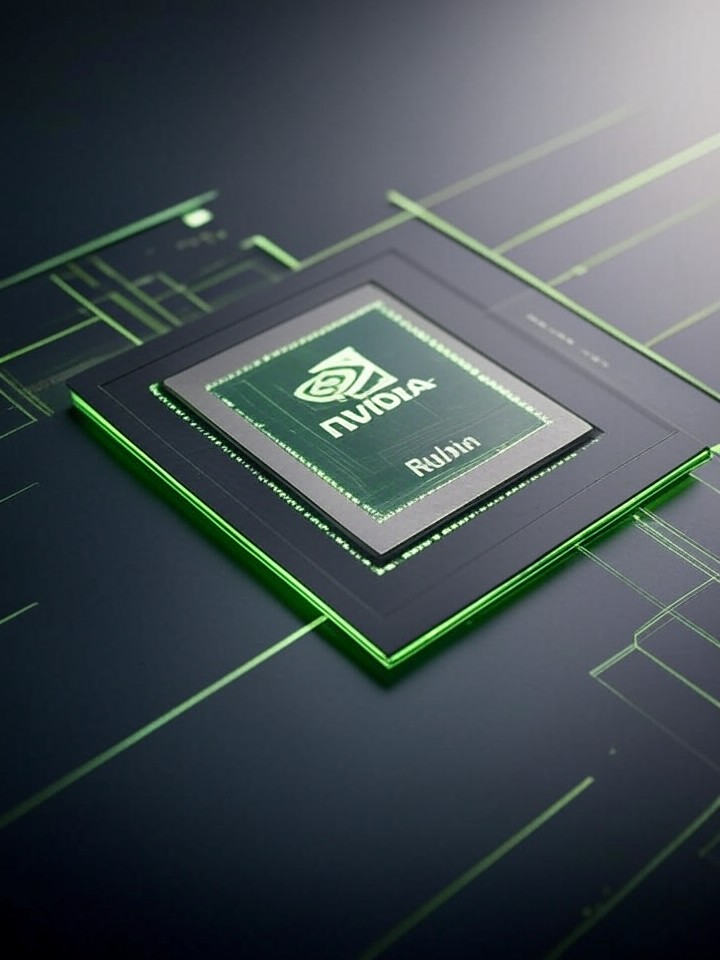
Recent reports suggest that Nvidia, a global leader in graphics processing units (GPUs) and AI chips, is implementing tracking technology to safeguard its supply chain. This move comes in response to widespread speculation regarding the grey-market movement of high-performance chips, particularly those restricted for export to certain regions due to international trade controls.
In a world where demand for Nvidia’s chips for AI training and advanced computing is skyrocketing, ensuring legal and compliant distribution has become a top priority. The reported tracking software is designed to monitor the movement of chips across the supply chain, from manufacturing facilities to authorized distributors, helping the company identify irregular activities or potential breaches in export regulations.
Why Chip Tracking Is Crucial in 2024
The tracking of semiconductor products has become an essential part of global operations due to escalating geopolitical tensions and supply chain vulnerabilities. For Nvidia, which is at the center of the AI hardware revolution, managing compliance effectively can prevent financial losses and preserve brand trust. Reports indicate that using a form of digital watermarking and embedded traceability features within chips could give Nvidia a breakthrough advantage in combatting counterfeiting and unauthorized resale.
Industry analysts speculate that this initiative could set a new benchmark for semiconductor traceability, particularly for chips used in artificial intelligence, data centers, and gaming. If successfully implemented, it could reshape supply chain transparency across the technology sector.
Cashew Research and the AI Market Research Revolution
While Nvidia is focusing on chip tracking and compliance, Cashew Research is taking a completely different approach to technology innovation. The company has introduced an AI-driven system designed to automate the collection and analysis of market data. However, what sets Cashew Research apart is its hybrid model — combining AI automation with real-world human data collection to maintain reliability and context.
Traditional market research relies heavily on surveys, focus groups, and manual data interpretation, processes that are both time-consuming and costly. Cashew Research’s model leverages natural language processing (NLP), machine learning algorithms, and predictive analytics to identify patterns in consumer behavior, social sentiment, and market trends with unprecedented speed. Yet, unlike purely automated platforms, it validates and enriches AI-generated insights with verified human feedback, ensuring a more balanced and realistic perspective.
How AI Is Changing Market Research
The introduction of artificial intelligence into market analysis is transforming how organizations understand their customers and anticipate market shifts. With Cashew Research’s platform, AI algorithms can process thousands of data points from online behavior, purchase trends, and social media discussions in real-time. The system not only automates data collection but also adapts continuously, learning from user feedback and refining its models.
This dual approach resolves one of the biggest limitations of AI-based analytics — the lack of emotional and contextual understanding. By integrating human feedback at key points in the analytics pipeline, Cashew Research ensures that its clients receive insights that are not only data-driven but also contextually rich and actionable.
The Intersection of AI, Data Security, and Ethical Tech
Both Nvidia and Cashew Research exemplify the growing integration between artificial intelligence, data integrity, and security. While Nvidia focuses on ensuring its hardware stays within legal boundaries, Cashew Research is enhancing the transparency and trustworthiness of AI-driven analytics. The convergence of these goals reflects a larger global movement toward ethical technology development and responsible data use.
Balancing Automation and Human Oversight
Whether it’s chip tracking or market prediction, automation is becoming indispensable. However, as both cases demonstrate, automation must coexist with oversight — either through human validation of data (as Cashew Research practices) or through strict compliance technologies that enhance accountability (as Nvidia appears to be pursuing). The next generation of tech innovation will likely depend on this balance between intelligence and integrity.
Challenges and Future Implications
Despite the potential benefits, both Nvidia and Cashew Research face challenges. For Nvidia, implementing sophisticated tracking technology across its global logistics network could raise questions around data privacy, cost efficiency, and potential regulatory scrutiny from international partners. Meanwhile, Cashew Research must continuously refine its algorithmic models to avoid biases and ensure fair, inclusive data interpretation.
Nevertheless, the promise of these technologies is substantial. Nvidia’s move may inspire other semiconductor companies to introduce similar traceability and authentication measures, which could drastically reduce counterfeit products and export violations. Likewise, Cashew Research’s AI-based approach may redefine how companies respond to market dynamics, empowering small and large enterprises alike with affordable, real-time insights.
Use Cases Across Industries
- Technology and Hardware: Chip producers could employ tracking mechanisms to ensure compliance and quality control.
- Retail and Consumer Goods: AI-based research platforms can identify product trends faster and predict shifting customer preferences.
- Finance and Investment: Market intelligence platforms like Cashew Research could help firms spot emerging investment opportunities through predictive analytics.
- Government and Regulatory Bodies: Enhanced traceability data can support law enforcement efforts in preventing illicit trade in hi-tech components.
Conclusion: A Glimpse into the Future of Intelligent and Transparent Technology
From Nvidia’s proactive strategy against chip smuggling to Cashew Research’s innovative blend of AI automation and human intelligence, a pattern is emerging — the future of technology depends on transparency and ethical innovation. Both companies, in their respective domains, are redefining what it means to be responsible digital leaders in an era of rapid automation.
As global markets grow more connected and data-driven, solutions that combine intelligent automation with human validation will become the new gold standard. Nvidia’s tracking technology and Cashew Research’s hybrid AI model exemplify how cutting-edge advancements can enhance trust, compliance, and insight across industries. In 2024 and beyond, such partnerships between human discernment and machine efficiency will likely shape the next frontier of technology and business research.