








Meta Hires Former Apple Design Leader Alan Dye to Drive AI Innovation
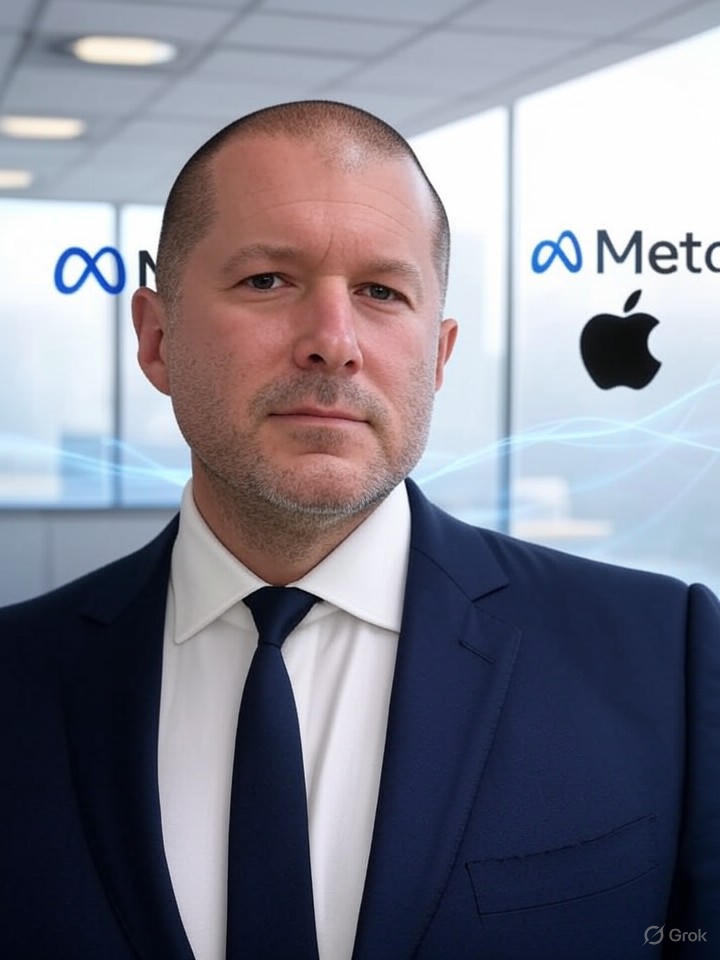
Meta’s recent recruitment of Alan Dye, Apple’s acclaimed design visionary, marks a pivotal moment in the company’s evolution. Dye, known for shaping the user interface and aesthetic of Apple products for over a decade, is set to bring his expertise to Meta’s Reality Labs, where he will focus on the intersection of artificial intelligence, augmented reality, and product design.
Meta’s Strategic Push into AI and Design
Over the past few years, Meta has aggressively pursued artificial intelligence and extended reality (XR) as the cornerstones of its next technological chapter. With the rapid advancement of generative AI tools, immersive hardware, and mixed-reality experiences, the company is now positioning design as an equally important pillar in delivering user-centered innovations. The addition of Alan Dye to Meta’s leadership underlines this strategy.
As Apple’s former Vice President of Human Interface Design, Dye played a key role in redefining the user experience across iPhone, iPad, and macOS. His influence shaped how millions interact with devices daily. Meta’s decision to bring him on board suggests an ambition to combine artistic design and deep technical capability to elevate upcoming AI and AR experiences.
Who Is Alan Dye? A Brief Background
Alan Dye joined Apple in 2006 and rose through the ranks to co-lead Human Interface Design alongside Jony Ive and, later, Alan Dye himself following Ive’s departure. His work extended far beyond interface polish; he shaped the company’s visual storytelling and design philosophy. From overseeing the design system of iOS icons to shaping refined animations and spatial interfaces, Dye became a key architect of Apple’s elegant minimalist approach that influenced the entire tech industry.
His transition to Meta, therefore, represents not just a job change but a creative challenge: applying his intuitive design discipline to emerging frontiers where digital and physical realities blur.
Inside Meta’s Reality Labs Creative Vision
Reality Labs, Meta’s research and development division, is responsible for driving innovations across virtual reality (VR), augmented reality (AR), and mixed-reality ecosystems. The Lab’s flagship products include the Meta Quest headset series, Meta Ray-Ban smart glasses, and various experimental AR platforms that integrate AI-driven user experiences.
By creating a new creative studio within Reality Labs, Meta aims to merge art, design, and engineering to create immersive, human-centered technologies powered by artificial intelligence. Dye’s leadership will likely focus on crafting intuitive user environments where digital interactions feel as natural as physical ones — a core challenge in spatial computing.
Why This Hire Matters for Meta’s AI Future
Artificial intelligence is reshaping how people interact with technology. In Meta’s ecosystem, AI powers everything from content recommendation algorithms to generative avatars and intelligent assistants. However, technology alone isn’t enough to achieve mainstream adoption. Human-centered design — which balances aesthetics, usability, and emotional resonance — is the missing piece. This is where Alan Dye’s appointment becomes pivotal.
Dye’s ability to translate complex systems into accessible experiences has already changed how users perceive technology. At Meta, this skill will be applied to the next generation of AI interfaces — from conversational AI companions in the metaverse to adaptive environments that respond to human emotions and gestures.
A Shift Toward Emotionally Intelligent Technology
AI-driven experiences are becoming increasingly intuitive. Meta’s vision of creating a seamless network of digital spaces, from social VR environments to AI-powered design tools, depends on an empathetic understanding of human behavior. Dye’s approach emphasizes simplicity, harmony, and intentionality — qualities that will help Meta design emotionally intelligent interfaces that foster trust and engagement.
Comparing Apple’s Perfectionism to Meta’s Experimentation
Alan Dye’s move from Apple to Meta also reflects a shift from precision-focused design to the expansive possibilities of experimental technology. While Apple emphasizes refinement and consistency across its hardware and software ecosystem, Meta is in the midst of exploring the unpredictable horizons of XR and AI integration. Dye’s crossover presents a unique opportunity to merge Apple’s disciplined design principles with Meta’s culture of bold exploration.
Insiders suggest that Meta is eager to improve its design credibility, especially after facing critiques regarding usability and consistency across products such as Horizon Worlds and Quest software. With Dye’s guidance, Meta can inject a refined aesthetic language and focus on user empathy that has long defined Apple’s success story.
The Broader Implications for the Tech Industry
Design leadership transitions like this rarely happen between companies as large and competitive as Apple and Meta. This move underscores how the boundaries between hardware, software, and AI innovation are now dissolving. As the industry moves toward immersive computing and digital spaces where users coexist in augmented realities, the need for cross-disciplinary visionaries like Dye becomes critical.
His new role could also inspire a wave of design-minded hiring across the tech sector. As AI systems become ubiquitous, companies will increasingly rely on designers to humanize these systems, ensuring they remain intuitive, transparent, and ethically guided.
What to Expect Next from Meta and Alan Dye
While Meta has yet to reveal detailed plans for Dye’s team or specific projects, it is expected that his contributions will influence both AI and AR product lines. One foreseeable focus could be improving spatial interfaces for the Meta Quest platform, as well as designing intuitive generative AI systems for content creation, productivity, and communication.
Additionally, with Meta’s continued investment in AI research, including the open-source Llama models and ongoing AR initiatives, a cohesive and emotionally resonant design language under Dye’s leadership could unify the company’s diverse offerings into a more harmonious ecosystem.
Looking Ahead: Balancing Innovation and Human Experience
Meta’s recruitment of Alan Dye signals a bold alignment of creativity, technology, and empathy. The future of computing will not just be about processing power or advanced neural networks; it will be about experiences that understand and adapt to the people who use them. Through this lens, Dye’s role becomes a symbol of how human factors will define AI’s success just as much as technical advances.
The Next Era of AI and Design Collaboration
As Silicon Valley pivots to the age of AI-driven interfaces, the collaborative relationship between designers and technologists will be more crucial than ever. Meta’s new creative studio could set the standard for next-generation product ecosystems where visual storytelling, usability, and artificial intelligence converge into a fluid user experience.
Conclusion: A Defining Moment for Meta’s AI Ambitions
Alan Dye’s move from Apple to Meta represents more than a high-profile hire — it marks a cultural shift towards harmonizing design and intelligence in the digital age. As Meta builds the infrastructure for its AI-powered metaverse, Dye’s design philosophy will help ensure that innovation remains grounded in clarity, beauty, and human connection.
Whether his influence will lead Meta to the same design prestige Apple enjoyed remains to be seen. Yet one thing is clear: by uniting AI innovation with world-class design, Meta is redefining how we’ll experience the next generation of digital interaction.